
Choosing a Covered Casserole Pan in 2026 is no longer only about color, size, or table appeal. Buyers now compare heat performance, lid design, material safety, cleaning effort, and storage practicality. Grand View Research estimates that the global cookware market will continue expanding through 2030, supported by home cooking, premium kitchen upgrades, and demand for durable products. Fortune Business Insights also identifies material innovation and multifunctional cookware as important market drivers. These trends make the covered casserole pan more than a baking dish. It is an everyday cooking tool.
Consider a bubbling lasagna, a slow-braised chicken, or vegetables holding heat beneath a heavy lid. Small design choices matter. A glass cover improves visibility. A tight lid reduces moisture loss. A wide handle helps when the pan is hot and heavy. Alton Brown’s well-known kitchen principle remains useful here: “The only unitasker in the kitchen is the fire extinguisher.” A quality Covered Casserole Pan should support baking, serving, reheating, and sometimes stovetop preparation. Not every model succeeds.
This guide examines the best covered casserole pan types for 2026, using practical testing criteria and current buyer expectations. We will compare ceramic, cast iron, stainless steel, glass, and nonstick options. Weight can feel reassuring, but it may become tiring. A beautiful lid can still be awkward. Those compromises deserve attention. Product descriptions often sound perfect. Real kitchens are less forgiving.
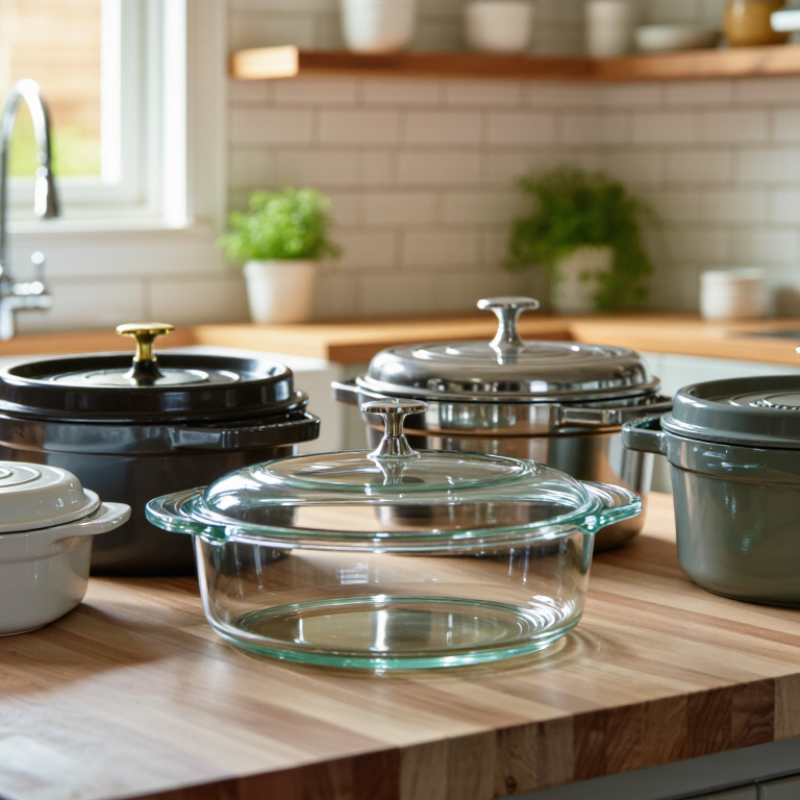
A covered casserole pan is a deep, oven-safe baking vessel paired with a fitted lid. It may be made from ceramic, glass, cast iron, or layered metal. The lid holds steam inside, keeping rice, chicken, and vegetables tender during slow cooking. That moisture control is the main reason the pan matters. In my kitchen, a snug lid has prevented dry edges while the center finished cooking. Small detail. Still, no lid seals perfectly, and I once trusted one too much with a thin sauce.
For buyers, the best type depends on heat habits, serving style, and lifting comfort. Ceramic pans retain heat well and move attractively from oven to table, but they can feel heavy. Glass makes browning easy to inspect, although sudden temperature changes may cause damage. Cast iron offers strong heat retention and useful stovetop flexibility when the design allows it. Metal pans heat quickly, yet their lids may fit less tightly than heavier alternatives. Check carefully.
Look for a broad handle, stable lid knob, and enough depth for bubbling sauce. Measure your oven and storage shelf before choosing a large model. A lid should sit securely without trapping your fingers against the rim. I also prefer dishwasher-safe surfaces, though repeated washing can dull some finishes. Manufacturers’ heat limits deserve attention; oven-safe does not always mean broiler-safe. That distinction is easy to miss. A beautiful pan can still disappoint when its lid leaks steam.
Covered casserole pans perform differently because cooking methods demand different heat behavior. For slow baking, glazed ceramic pans hold steady heat and keep sauces warm at the table. They suit lasagna, gratins, and bubbling bean dishes. Glass pans show browning clearly, which helps when checking layers without lifting the cover too often. However, glass can react poorly to sudden temperature changes. I once moved a chilled glass dish directly into a hot oven. It was a careless choice.
For stovetop-to-oven cooking, covered cast iron offers strong heat retention and excellent browning. It works well for braised chicken, stews, and rice dishes that need a steady simmer. Enamel-coated surfaces simplify cleanup, although sudden high heat may still damage some finishes. Stainless steel pans respond faster and suit searing, reductions, and controlled oven cooking. They may develop hot spots, so a thick base and regular stirring matter. Lightweight aluminum pans heat quickly, making them useful for baked pasta and weeknight casseroles, but they may cool faster after serving.
Tips: Match the lid to the method. A tight lid traps moisture for braising, while a vented lid helps reduce watery toppings. Check whether the pan, lid, and handles are oven-safe. Leave space below the cover for rising cheese or steam. For acidic recipes, use a stable interior coating or nonreactive metal. Let cold cookware warm gradually. Even experienced cooks occasionally misjudge heat transfer, so watching the first batch remains worthwhile.
Which covered casserole pan types suit different cooking methods?
Suitability scores range from 1 (limited suitability) to 5 (excellent suitability). Enameled cast iron performs strongly for stovetop-to-oven cooking and heat retention, while glass and stoneware are especially suitable for oven baking and serving. Always check the cookware manufacturer’s temperature, burner, and lid-use instructions.
In 2026, covered casserole pans come in several materials, and each controls heat differently. Cast iron holds heat steadily, making it useful for slow baking and browned edges. However, it responds slowly when the oven temperature changes. A thick stainless steel pan heats reliably, but food may stick without enough oil or preheating. Aluminum reacts faster, helping cooks adjust heat more precisely.
Ceramic-coated metal usually offers smoother food release, especially for baked pasta, vegetables, and creamy dishes. Its coating can scratch when exposed to metal utensils or rough cleaning. Glass allows cooks to watch browning and spreads heat gently, but sudden temperature changes may cause thermal stress. I once treated glass like metal and moved a hot dish onto a cold surface. That shortcut was careless.
Durability also depends on handling, not only material. Cast iron can last for years when dried thoroughly and lightly seasoned, though its weight makes lifting a full casserole awkward. Stainless steel tolerates frequent use and firm scrubbing, but release performance depends heavily on technique. Ceramic surfaces feel convenient at first, yet their release may decline with high heat and abrasive washing. A well-fitting lid matters too. It traps moisture, protects delicate textures, and reduces drying during long cooking. Buyers should compare heat response, cleaning habits, dish weight, and the foods they prepare most often. No material performs perfectly in every kitchen.
For 2026 buyers, size should match both recipes and storage space. A 9-by-13-inch rectangular pan handles lasagna, roasted vegetables, and family portions efficiently. A two-quart square pan suits smaller households and leaves fewer leftovers. Measure interior depth, not only advertised capacity. A shallow pan browns quickly, while a deeper one protects layered dishes from overflow. For four diners, roughly three to four quarts is often practical. Still, appetites vary. I once chose a wide pan that barely fit my oven rack. That mistake made the handles and clearance more important than capacity.
Shape affects serving, stirring, and refrigerator storage. Rectangular pans maximize cutting space, while oval pans suit whole poultry or longer vegetables. Round pans work well for baked pasta but may waste corners in square ovens. Check whether the base sits evenly on your rack or cooktop. The lid deserves equal attention. A transparent, heat-resistant lid helps monitor bubbling sauces without releasing steam. A vent can reduce pressure and prevent messy splashes. However, excessive venting may dry delicate dishes. Look for a lid handle that stays cool and a rim that resists sliding during transport. Confirm the lid’s temperature rating separately; some covers tolerate oven heat poorly. My own preference changed after a warped lid trapped condensation against a crust. A secure fit matters, but it should not promise an airtight seal unless the design clearly supports one.
How Can Buyers Choose the Best Covered Casserole Pan for Their Needs?
Choosing the best covered casserole pan starts with the meal, not the trend. For family lasagna, choose a 3–5 quart pan with straight sides and sturdy handles. Enameled cast iron holds heat well, but it can feel heavy when filled. Stainless steel is lighter and durable, though food may stick without enough fat. Glass shows browning clearly and suits many oven recipes. Ceramic-coated pans offer easy release, but scratches and sudden temperature changes can shorten their life. Check the lid seal, oven limit, dishwasher guidance, and storage space before buying. I once underestimated lid height. It mattered.
Energy use also deserves attention. The U.S. Department of Energy says induction cooking can be up to three times more efficient than gas. It can also be about 10% more efficient than smooth-top electric cooking. Therefore, buyers should confirm that the pan has a magnetic base. Fortune Business Insights valued the global cookware market at about US$19.46 billion in 2023, although estimates differ across research firms. That growth suggests choice is expanding, not necessarily improving.
Tips: Match pan size to your usual portions. A tight-fitting lid reduces drying. For meat-based casseroles, USDA FSIS recommends an internal temperature of 165°F. Use a thermometer, not appearance alone. Review the material carefully. “Nonstick” does not automatically mean durable. Small details often decide daily satisfaction.
| Pan Type | Typical Capacity | Typical Weight | Heat Compatibility | Lid Options | Main Advantages | Main Limitations | Best For |
|---|---|---|---|---|---|---|---|
| Enameled Cast Iron | 2.5–7 qt | 8–16 lb | Gas, electric, induction, oven, and often broiler; check the lid limit | Enameled cast iron, stainless steel, or heat-resistant glass | Excellent heat retention, steady simmering, browning, and oven-to-table serving | Heavy; slow to heat; enamel can chip if struck or overheated | Braised meats, stews, casseroles, and long cooking |
| Stainless Steel | 2–6 qt | 3–8 lb | Gas, electric, induction when magnetic, oven, and usually broiler | Stainless steel or tempered glass | Durable, non-reactive, stain-resistant, and suitable for deglazing | Food may stick without adequate preheating and fat; heat distribution depends on the core | Searing, sauces, pasta dishes, and frequent everyday cooking |
| Hard-Anodized Aluminum | 2.5–6 qt | 3–7 lb | Gas and electric; induction only with a magnetic base; oven limits vary | Tempered glass or metal | Lightweight, heats quickly, and generally resists warping better than thin aluminum | Not all models work on induction; abrasive cleaners may damage the finish | Fast weeknight meals and buyers wanting lower weight |
| Ceramic-Coated Aluminum | 2–5 qt | 2–6 lb | Gas and electric; induction compatibility requires a magnetic base; moderate oven limits are common | Tempered glass or ceramic-coated metal | Easy food release, attractive finish, quick heating, and low weight | Coating can wear from metal utensils, high heat, or abrasive cleaning | Low-fat cooking and convenient everyday casseroles |
| Glass Baking Dish | 1.5–4 qt | 3–6 lb | Oven and microwave when labeled for those uses; generally not suitable for stovetops | Tempered glass or plastic storage lid | Transparent for monitoring food, non-reactive, and useful for baking and storage | Can break from thermal shock; unsuitable for direct burner heat | Baked pasta, layered casseroles, desserts, and refrigerator-to-oven preparation with care |
| Stoneware or Ceramic | 1.5–4.5 qt | 4–10 lb | Oven and microwave only when labeled; not for direct stovetop use | Ceramic, stoneware, or glass | Retains heat, presents well at the table, and distributes gentle baking heat | Heavy and vulnerable to thermal shock, chips, or cracks; heats slowly | Table service, baked casseroles, gratins, and make-ahead meals |
Note: Capacities, weights, and heat compatibility shown are typical ranges for commercially available cookware categories. Exact specifications vary by construction, size, lid material, and manufacturer instructions.