China Top 10 Sandwich Box Manufacturers for Global Buyers
Choosing a reliable Sandwich Box manufacturer in China requires more than comparing online prices. Global buyers need evidence of product quality, factory capability, communication, and delivery consistency. This guide introduces ten Chinese manufacturers serving international packaging and foodservice markets.
Each company is considered through practical purchasing factors. These include material selection, sealing performance, printing quality, mold development, production capacity, and export experience. A dependable manufacturer should explain whether its boxes use paperboard, plastic, aluminum, or alternative food-contact materials. It should also provide clear specifications, sample support, and suitable documentation for the buyer’s target market.
Details matter.
A sandwich box may look simple, yet small weaknesses can create costly problems. Weak hinges may break during transport. Poor coatings can soften when exposed to moisture. Uneven printing can damage a retailer’s brand image. For this reason, buyers should request physical samples and confirm testing procedures before placing large orders.
The manufacturers in this list may suit different purchasing needs. Some focus on high-volume standard packaging, while others support custom sizes, logos, inserts, or eco-conscious materials. Their strengths are not identical, and no supplier is perfect for every project. That is worth remembering.
The ranking should therefore be treated as a practical starting point, not a final decision. Buyers still need to verify current certificates, production schedules, minimum order quantities, and shipping terms. Factory videos can help, but direct communication and sample inspection often reveal more. With careful comparison, international buyers can select a Sandwich Box partner that balances cost, appearance, protection, and long-term reliability.
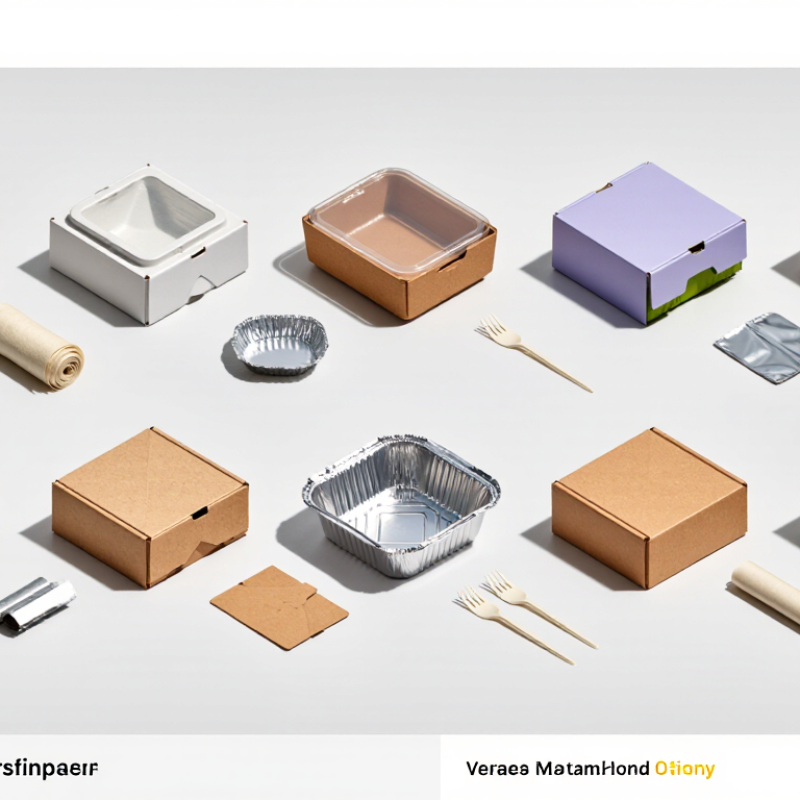
What Defines a Reliable Sandwich Box Manufacturer in China
A reliable sandwich box manufacturer in China is defined by more than a competitive quotation. Global buyers should examine material safety, production discipline, and communication before placing a large order. The factory should provide clear food-contact documentation, batch records, and test reports for paperboard, coatings, inks, or plastic parts. Samples should match mass-production results. That sounds obvious, but it is often where problems begin.
Visit the production site when possible, or arrange a third-party audit. Check whether workers inspect folding accuracy, glue strength, sealing performance, and print consistency. Reliable manufacturers explain their quality-control process instead of offering vague promises. They also confirm minimum order quantities, lead times, carton dimensions, and export packaging in writing. A small pilot order can reveal weak points. No factory is flawless. Even a capable supplier may experience delays during peak seasons, so buyers should ask about backup equipment, material storage, and corrective actions.
Tips: Request a physical sample, recent test documents, and a detailed production timeline. Ask how rejected boxes are recorded and replaced. Keep communication precise, especially about box size, grease resistance, ventilation holes, and stacking requirements. One overlooked millimeter can affect the lid. Regular updates reduce surprises, though they cannot remove every risk. A dependable manufacturer welcomes practical questions and admits limitations instead of hiding them.
Key Materials and Manufacturing Standards for Sandwich Boxes
For global buyers comparing China’s top sandwich box manufacturers, material selection should match the food and shipping conditions. Food-grade polypropylene offers toughness, heat resistance, and good moisture protection. PET provides clear visibility but may crack under cold impact. Paperboard and molded fiber reduce plastic use, yet they need reliable coatings against sauces and condensation. Recycled content can be valuable, but its food-contact status requires careful verification.
Manufacturing standards matter as much as the material. Responsible factories should maintain documented quality systems, controlled production areas, and traceable raw materials. Buyers should request food-contact migration reports for the destination market. They should also review dimensional checks, seal inspections, and batch records. Practical testing should include stacking, drop resistance, hinge cycles, and leak performance. A box that looks strong can still fail near the corners.
Printing inks and adhesives deserve attention. They must not transfer odors or contact food improperly. Factories should control mold cleanliness, forming temperature, and cooling time. These details affect warping and lid alignment. In my view, visual inspection alone is insufficient. A clear sample may hide brittle plastic or weak seals. One limitation is unavoidable: no single material suits every sandwich or climate. Buyers should compare samples after refrigeration, transport simulation, and repeated opening. Small defects often appear only then.
China’s Top 10 Sandwich Box Manufacturers for Global Buyers
China’s Top 10 Sandwich Box Manufacturers for Global Buyers deserve evaluation beyond attractive catalogs. A reliable supplier should show clear material specifications, food-contact testing, and stable production records. Buyers should check whether boxes use suitable paperboard, recycled content, or certified plastic materials. Each option must match local packaging requirements and expected food temperatures.
Factory experience matters during sampling. Ask for samples with real sandwich sizes, sauce resistance, and closing tests. Inspect folding lines, locking tabs, printing quality, and ventilation openings. A box that looks strong may soften after fifteen minutes with warm food. Request production photos, quality-control procedures, and recent inspection reports. Confirm minimum order quantities, lead times, replacement policies, and export packaging before placing an order.
A useful top-ten comparison should include small workshops and larger factories, not only impressive exporters. A ranking is never perfect. Price can hide weak glue, uneven cutting, or excessive packaging waste. I would also compare communication speed and technical answers. Slow replies may become difficult during urgent production changes. Buyers should test one shipment before signing a long-term agreement. Even experienced purchasers can overlook humid storage conditions. A second inspection is often worth the cost.
How to Compare Suppliers by Quality, Capacity, and Pricing
China Top 10 Sandwich Box Manufacturers for Global Buyers
Comparing the top 10 suppliers requires more than checking sample photos. Quality begins with food-contact materials, stable folding lines, and clean sealing surfaces. Request migration test reports, material specifications, and production samples from the same batch. The OECD’s Global Plastics Outlook reports that packaging represented about 40% of global plastic use in 2019. This makes material selection a commercial and environmental issue. Recycled paperboard may reduce impact, but moisture resistance can decline. That trade-off needs testing, not optimistic claims.
Capacity should be measured through verified output, not advertised factory size. Ask for monthly production records, lead times during peak seasons, and spare-machine availability. A useful audit checks whether the supplier can produce your box dimensions repeatedly, with less than 2% visible defects. Pricing must include tooling, printing plates, inner coatings, packaging, freight, and replacement rates. Smithers’ sustainable packaging research forecasts continued strong market growth through 2028, increasing pressure on suppliers to offer efficient materials and processes. Yet the lowest quotation may hide thinner board or weaker closures. I would challenge it.
Tips: Compare three identical specifications. Use a paid pilot order. Measure compression strength, oil resistance, and stack height after 24 hours. Review recent inspection records, not only certificates. Leave room for doubt; one successful sample proves very little. A supplier with moderate pricing and consistent capacity may deliver a lower total cost than a cheaper, unstable source.
The Importing Process, Certifications, and Buyer Considerations
China Top 10 Sandwich Box Manufacturers for Global Buyers
Importing sandwich boxes requires more than comparing factory prices. Start with the material, intended food contact, box dimensions, and destination market. Confirm the HS code with a customs broker, because plastic, paperboard, and fiber boxes may fall under different classifications. Request a commercial invoice, packing list, bill of lading, certificate of origin, and inspection records. Incoterms should be written clearly. Small wording gaps can create large landed-cost surprises.
Food-contact compliance deserves close attention. For the European market, ask for evidence aligned with Regulation (EC) No. 1935/2004 and plastic-specific Regulation (EU) No. 10/2011. For the United States, suppliers should provide applicable FDA 21 CFR compliance statements. Testing may cover migration, heavy metals, odor, and seal performance. ISO 9001 supports process control, but it does not replace food-contact testing. Eurostat reported 188.7 kilograms of packaging waste per EU resident in 2021. This figure makes recycled content and packaging reduction practical buying issues, not decoration.
A buyer should request samples from the actual production line. Check hinge fatigue, corner strength, lid fit, and condensation after refrigeration. Ask whether recycled material changes color or stiffness. Supplier audits can review traceability, calibration, hygiene, and corrective actions. Certifications sometimes look impressive but answer the wrong question. I have seen buyers overvalue certificates and undervalue carton compression tests. That is a costly blind spot. UNEP’s 2023 report found that plastic pollution could fall by 80% by 2040 with stronger system changes, so reusable designs and credible material claims deserve careful verification.
China Top 10 Sandwich Box Manufacturers for Global Buyers - The Importing Process, Certifications, and Buyer Considerations
Typical importing timeline for food-contact sandwich boxes. Values show estimated calendar days used for purchasing plans and may vary by order quantity, customization, destination, and shipping method.
Buyers commonly evaluate material safety, leak resistance, sealing performance, customization capability, minimum order quantity, production capacity, packaging quality, and total landed cost. Depending on the destination market, supporting documents may include FDA food-contact compliance for the United States, Regulation (EC) No. 1935/2004 and EU food-contact requirements, LFGB testing for Germany, REACH declarations, and ISO 9001 quality-management documentation. Importers should verify current requirements with customs authorities and independent testing laboratories before placing an order.