Top Tips for Sourcing High Quality Silk Fabric Online?
When it comes to sourcing high quality silk fabric online, clarity and expertise are paramount. The global silk market is projected to reach $8.3 billion by 2027, reflecting a growing demand for this luxurious material. Consumers increasingly seek out natural fabrics that offer elegance and sustainability. However, navigating the online space can be daunting.
Many buyers face challenges in identifying genuine silk fabric. A report by the International Silk Association reveals that 30% of silk products sold online are misrepresented. Therefore, buyers need to equip themselves with knowledge about silk types and sourcing practices. This helps in distinguishing between authentic silk and its alternatives, such as polyester blends, which can lead to disappointment.
Investing time in researching suppliers is crucial. Look for vendors who provide detailed product descriptions and transparent sourcing practices. Reviews and certifications can enhance reliability, ensuring a more satisfactory purchasing experience. Reflecting on these aspects can significantly improve your chances of finding the perfect silk fabric that meets your expectations.
Understanding Types of Silk Fabric Available Online
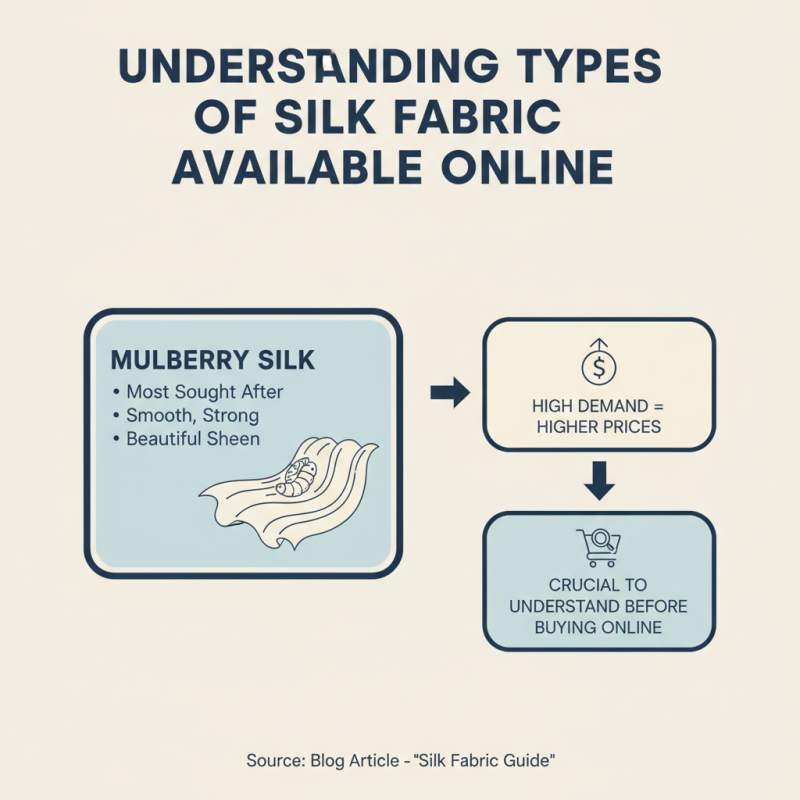
When shopping for silk fabric online, understanding the types available is crucial. Silk comes in various forms, each with unique properties. Mulberry silk is the most sought after. It is smooth, strong, and has a beautiful sheen. However, high demand can lead to higher prices.
Wild silk, also known as tussah, is another option. It differs in texture and often has a more rustic appearance. It’s less shiny but offers a unique charm. Choose this if you are looking for something organic. Additionally, silk blends, such as silk-cotton or silk-polyester, are worth considering. They can provide durability at a more accessible price point.
Not all silk is created equal. Sometimes, online descriptions may be misleading. Take time to read reviews and request samples when possible. Fabrics can appear different in photos than in real life. Understanding these silk types helps you make a more informed decision. It encourages thoughtful selections that align with your project needs.
Identifying Reliable Silk Fabric Suppliers and Retailers
When sourcing high-quality silk fabric online, identifying reliable suppliers is crucial. A reputable supplier often displays professionalism in their website design and overall presentation. Look for clear contact information and customer service options. This shows they are serious about their business. Reviews can also reflect the supplier's reliability. Genuine customer feedback helps gauge their experiences.
Examining fabric samples is key. Trusted suppliers usually provide swatches, allowing you to assess color, texture, and weight. If a supplier hesitates to offer samples, consider this a red flag. Trustworthy retailers also provide detailed descriptions. Check for information about sourcing methods and care instructions. Transparency in these areas builds confidence.
Look beyond the surface. Consider the supplier’s return policy. A strong return policy indicates that they stand by their products. Number of years in the business can also hint at reliability. However, new suppliers can still provide excellent quality. Balance your decisions by combining research and personal experience. Exploring more options can lead to discovering hidden gems in the silk market.
Top Tips for Sourcing High Quality Silk Fabric Online
The chart above displays the quality ratings of various silk fabric suppliers based on a scale from 1 to 10. When sourcing silk fabric online, consider these ratings as a helpful guide to identify reliable suppliers.
Evaluating Silk Fabric Quality: Key Characteristics to Look For
When sourcing high-quality silk fabric online, understanding the fabric’s characteristics is essential. High-quality silk often feels smooth and luxurious against the skin. It has a natural sheen that reflects light, showcasing its premium nature. Reports from the Textile Association indicate that genuine silk has a tighter weave and a robust structure when compared to synthetic alternatives. This structural integrity contributes to silk's durability and longevity.
Look for silk that has a consistent color and texture throughout. Variability can indicate lower-quality fabric. You can assess silk’s weight too; it should be substantial enough to suggest quality but not heavy. The Silk Association advises checking the thread count; a higher count typically signals better quality. Additionally, silk should not easily fray or tear, which may reflect its weave quality.
**Tip**: Always read customer reviews before purchasing. They often reveal hidden details about the fabric you cannot see in photos.
**Tip**: Request fabric swatches whenever possible. This allows you to feel the texture and assess color and weight firsthand.
Ensure that you choose a supplier who is transparent about their silk sources. Trustworthy vendors will provide you with ample information regarding their silk manufacturing process and quality standards.
Top Tips for Sourcing High Quality Silk Fabric Online
| Characteristic |
High Quality Silk |
Low Quality Silk |
| Texture |
Smooth and soft |
Rough or itchy |
| Luster |
Bright and reflective |
Dull or faded |
| Weight |
Lightweight but substantial |
Too heavy or too flimsy |
| Durability |
Resistant to wrinkling |
Easily wrinkles or tears |
| Color Fastness |
Vibrant and resistant to fading |
Color runs or fades quickly |
| Sustainability |
Ethically sourced and produced |
Doubtful sourcing practices |
Tips for Comparing Prices and Making Informed Purchases
When sourcing high-quality silk fabric online, price comparison is crucial. A 2022 report from the Fabric Authority highlighted that online pricing can vary by nearly 40% for the same type of silk. This discrepancy can lead to overspending if buying from less reliable sources. Remember, a lower price doesn’t always mean better value. Evaluating fabric weight and weave can help to ensure quality.
Look closely at the specifications. A silk's momme (mm) weight measures thickness and durability. Fabrics weighing 19-22 momme are generally considered high end. Check seller reviews and ratings. Reliable sellers often have a history of positive feedback. Websites that offer return policies also indicate a commitment to quality.
Visual inspection through high-resolution images is essential. Sometimes, online representations do not reflect reality. A fabric might look luxurious in photos but feel quite different in person. It’s important to order swatches before committing. This step can save regretful purchases and lead to more informed choices.
Ensuring Safe Online Transactions and Return Policies for Silk Fabrics
When sourcing high-quality silk fabric online, ensuring safe transactions is crucial. Always look for websites that prioritize customer security. This means using secure payment methods and having clear privacy policies. Check if the site offers encrypted connections, which indicates that your personal information is protected.
Review the site’s return policy before making a purchase. Silk can vary widely in quality, and sometimes the fabric may not meet your expectations. A reliable return policy allows you to send back unsatisfactory materials easily. Some websites may only offer store credit or have strict conditions. This can lead to frustration if the fabric doesn’t suit your needs.
Look for customer feedback on both product quality and the return process. Reviews can provide honest insights into the experiences of other buyers. Consider sites with a history of positive feedback regarding their return services.
Remember, a trustworthy vendor is transparent about their policies and prompt in responding to customer inquiries. This builds confidence in your online shopping experience.