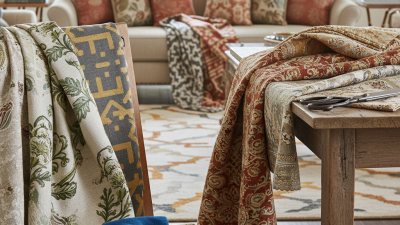
What Are the Top 10 Types of Couch Fabric?

Choosing the right couch fabric affects comfort, appearance, maintenance, and long-term value. A beautiful sofa can become frustrating when its material attracts pet hair, fades near a sunny window, or absorbs every coffee spill. This guide examines the top 10 types of couch fabric, including cotton, linen, velvet, chenille, wool, microfiber, polyester, nylon, acrylic, and performance blends. Each option offers a different balance of softness, durability, breathability, and cleaning difficulty.

Real homes rarely match showroom conditions. That matters. A fabric tested in a quiet display area may behave differently around children, pets, or frequent guests. I recommend checking the manufacturer’s cleaning code, fiber content, abrasion rating, and warranty before making a decision. Touching fabric samples also helps reveal details that photographs hide, such as roughness, loose weaves, or visible nap direction. Still, no rating predicts everything. Personal habits and room conditions can change the result.

Some materials feel luxurious but demand careful handling. Others look ordinary yet survive years of daily use. Sunlight, humidity, body oils, and repeated friction can gradually change the surface. The best couch fabric is not always the most expensive or fashionable choice. It should fit your routine, cleaning confidence, and design goals. The comparisons ahead focus on practical strengths and weaknesses, while acknowledging that fabric performance can vary between manufacturers. That uncertainty deserves attention. A thoughtful choice begins with evidence, not just first impressions.
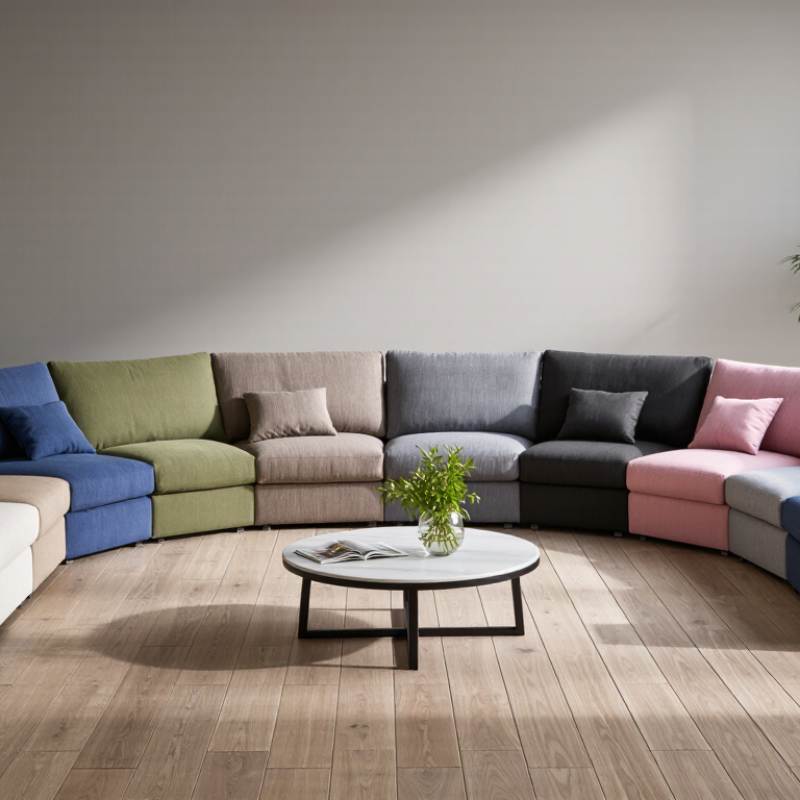
What Are the Top 10 Types of Couch Fabric?

Understanding How Couch Fabrics Are Classified

Understanding How Couch Fabrics Are Classified

Couch fabrics are classified by fiber, construction, texture, and performance. The ten common types include cotton, linen, wool, velvet, chenille, microfiber, polyester, nylon, acrylic, and leather. Leather is not technically a textile, but furniture professionals often compare it with upholstery fabrics. The distinction matters. A tightly woven polyester may resist spills better than a loosely woven cotton.

Fiber content is the clearest starting point. Cotton feels breathable and familiar, while linen offers a cooler, crisper surface. Wool adds warmth and natural resilience. Polyester, nylon, and acrylic are synthetic options, often selected for color stability and easier maintenance. According to Textile Exchange’s Materials Market Report 2024, polyester represented about 57% of global fiber production in 2023. That scale explains its common use in upholstery, though high volume does not automatically mean high quality.

Construction changes the experience. Velvet has a dense raised pile, chenille uses fuzzy yarns, and microfiber relies on extremely fine fibers. Performance ratings then add practical evidence. Testing standards such as ASTM D3511 examine pilling, while ASTM D4157 measures abrasion resistance. These results help predict wear, but they are not perfect living-room forecasts. A fabric can pass laboratory rubbing tests yet show flattening near a family’s favorite seat. I have found that sample lighting also misleads buyers. Always touch the fabric, inspect the weave, and consider pets, sunlight, and cleaning habits before choosing.

Natural Couch Fabrics: Cotton, Linen, Wool, and Leather

Natural couch fabrics bring texture, breathability, and visible character into a living room.

Cotton feels soft against bare skin and usually accepts color evenly. It suits casual spaces, especially homes with washable slipcovers. However, cotton can crease, absorb spills, and fade near sunny windows. A tightly woven cotton fabric often resists daily wear better than a loose weave.

Linen has a cooler, slightly crisp hand. Its natural slubs create small variations that make the sofa look less manufactured. Linen works well in warm climates because air moves easily through the fibers. It wrinkles quickly, though. That relaxed appearance may feel elegant to some people and untidy to others.

Wool offers a denser, warmer surface and naturally manages moisture. It can resist moderate abrasion, but rough fibers may feel uncomfortable on sensitive skin. A professional upholstery assessment should check the wool’s weave, backing, and cleaning requirements.

Leather develops a patina as it is used, particularly on armrests and seat edges. It is easy to wipe after small spills, but it can scratch, dry out, or feel cold in winter.

I once chose pale leather for a bright sitting room and underestimated how clearly every mark would show. That mistake changed my selection process.

Now I consider sunlight, pets, children, and cleaning habits before judging appearance. No natural fabric is perfect. The best choice depends on how the couch will actually be lived in.

Synthetic Couch Fabrics: Polyester, Microfiber, Nylon, and Acrylic

What Are the Top 10 Types of Couch Fabric?

Synthetic couch fabrics remain popular because they balance price, durability, and design flexibility. Polyester leads this group. Textile Exchange’s Materials Market Report 2024 records polyester at about 57% of global fiber production in 2023. That scale supports broad color choices and consistent supply, though it does not guarantee premium performance. Polyester resists wrinkles and fading, but oily marks can linger without prompt cleaning.

Microfiber uses extremely fine synthetic fibers, often polyester or a polyester blend. Its dense surface feels smooth and helps repel small spills. It feels soft. However, microfiber can show directional shading when brushed against the nap. A showroom touch test should include sitting, rubbing, and viewing the fabric under side lighting. Small flaws become obvious there.

Nylon adds strong abrasion resistance and useful recovery after pressure, making it practical for busy family rooms. The drawback is a cooler hand feel and possible static buildup.

Acrylic offers wool-like softness, lighter weight, and good color retention. It suits decorative upholstery, but cheaper grades may pill or lose surface texture. Grand View Research identifies rising demand for performance textiles in furniture applications, including stain resistance and easier maintenance. Still, “performance” is not a universal rating. Ask for abrasion results, cleaning instructions, fiber content, and lightfastness data.

The Association for Contract Textiles commonly references abrasion testing for commercial upholstery, yet household use varies widely. Nylon may outlast acrylic in heavy traffic; microfiber may feel better but reveal marks.

The best choice depends on pets, sunlight, cleaning habits, and daily seating pressure. I would not select fabric from a swatch alone.

Blended and Performance Fabrics for Everyday Sofas

What Are the Top 10 Types of Couch Fabric?

Blended and Performance Fabrics for Everyday Sofas

Everyday sofas need more than softness. They need practical resistance to spills, friction, sunlight, and repeated cleaning. The ten common fabric types include cotton, linen, wool, velvet, chenille, microfiber, polyester, nylon, acrylic, and leather. Among these choices, blended and performance fabrics often suit busy homes best. Polyester blends can combine softness with strong abrasion resistance. Cotton-polyester blends usually feel comfortable while holding their shape better than pure cotton.

Performance polyester is a practical choice for children, pets, and frequent guests. Many versions use tightly woven fibers that slow liquid absorption. Microfiber offers a smooth surface and can hide small marks. Chenille feels warmer and more textured, but its raised yarns may catch on sharp objects. Velvet looks rich, although pressure marks can appear after regular sitting. Linen feels cool and natural, yet it wrinkles and may show wear sooner. These trade-offs matter.

A useful showroom test involves rubbing the fabric with a clean white cloth. Check for color transfer, loose threads, and rough texture. Sit on the cushion, then inspect whether the nap changes direction. Ask about cleaning codes, light resistance, and abrasion results. Do not trust a sample alone. Lighting can flatter fabric, and a small swatch cannot show long-term pilling. Performance fabric is not stain-proof. That claim needs skepticism. Even durable upholstery may fade beside a bright window or develop marks from oily hands. A removable, washable cover can be more valuable than a higher technical rating.

How to Choose the Best Couch Fabric for Your Home

What Are the Top 10 Types of Couch Fabric?

How to Choose the Best Couch Fabric for Your Home

The top ten choices are cotton, linen, wool, velvet, chenille, microfiber, polyester, acrylic, leather, and performance blends. Each behaves differently under real household pressure. Grand View Research’s 2024 upholstery fabric analysis identifies polyester as a major segment and forecasts market growth of roughly 5% annually through 2030. That growth reflects demand for affordable, durable materials, not automatic quality.

Start with your room’s hardest use. For children, pets, or daily lounging, microfiber and tightly woven polyester resist spills and snagging. Performance blends can offer better stain resistance, but check the finish carefully. Some treatments feel slightly stiff against bare skin. Linen looks relaxed and breathes well, yet it wrinkles quickly. Cotton feels familiar and soft, but it may fade near a sunny window. Velvet adds depth and warmth, although crushed areas can show directional shading.

For a formal room, wool or chenille may provide richer texture. Leather handles surface wiping well, but scratches and temperature changes remain visible. Check the technical label for Wyzenbeek double rubs or Martindale cycles. ACT upholstery guidelines provide useful durability benchmarks, while the 2024 Mordor Intelligence market report also places polyester and blended fabrics among leading upholstery categories. Numbers help, but they are not everything. A 50,000-rub fabric can still disappoint if its seams are weak. Sit on the sample. Rub it with a denim sleeve. Leave a damp cloth on it overnight. I would not trust a showroom light alone.

What Are the Top 10 Types of Couch Fabric? - How to Choose the Best Couch Fabric for Your Home

Fabric Type Main Characteristics Durability Stain and Moisture Resistance Comfort and Appearance Best For Care Considerations
Cotton Natural fiber with a soft, breathable feel and a wide range of colors and weaves. Moderate; tightly woven cotton generally lasts longer than loosely woven versions. Absorbs liquids and can stain without a protective finish or treatment. Casual, comfortable, and available in both smooth and textured styles. Low-traffic living rooms, relaxed interiors, and removable slipcovers. May shrink or wrinkle; follow the cleaning label and avoid excessive moisture.
Linen Lightweight natural fiber with a distinctive slubbed texture and good breathability. Moderate to high fiber strength, but it can crease and may show wear in high-friction areas. Absorbs moisture readily and is not naturally stain-proof. Cool, airy, and naturally elegant with a relaxed appearance. Bright rooms, coastal or minimalist homes, and lightly used seating. Prone to wrinkling and possible shrinkage; professional cleaning is often preferred.
Wool Warm, resilient natural fiber with good shape retention and natural elasticity. High; wool fibers resist crushing and can perform well in frequently used rooms. Naturally resists some moisture and soil, but spills should still be treated quickly. Soft, warm, and textured; available in refined and contemporary weaves. High-use family rooms and homes seeking a durable natural textile. Can felt or shrink with improper washing; use professional or label-approved care.
Velvet Pile fabric with a dense, directional surface that reflects light and adds visual depth. Moderate to high depending on fiber, pile density, and backing quality. Spills may sit briefly on the pile but can leave marks if rubbed or left untreated. Luxurious, soft, and visually rich; shows shading from touch and seating direction. Statement sofas, formal rooms, and interiors where appearance is a priority. Vacuum gently with a suitable attachment; avoid aggressive brushing and excess water.
Microfiber Very fine synthetic fibers create a dense, smooth surface with a suede-like feel. High; dense construction generally resists everyday abrasion. Often resists quick absorption, although performance depends on the fabric finish. Soft and uniform, with a casual appearance and limited visible weave. Families, high-use seating, and homes wanting relatively easy maintenance. Can show water rings or pressure marks; test cleaning methods on an hidden area first.
Polyester Versatile synthetic fiber commonly used alone or blended with other fibers. High; generally resists stretching, fading, and everyday wear. Low absorbency helps many spills remain on the surface temporarily. Available in smooth, woven, textured, and velvet-like finishes. Busy households seeking a practical and generally budget-friendly upholstery option. May develop static or attract oils; clean according to the upholstery code.
Olefin Lightweight synthetic fiber known for low moisture absorption and color stability. High for many indoor and outdoor applications; may be vulnerable to excessive heat. Very low absorbency and good resistance to many water-based stains. Comfortable in woven textures, though it may feel less natural than plant or animal fibers. Sunrooms, casual seating, and areas where moisture resistance is important. Avoid high heat during cleaning or ironing; remove oily stains promptly.
Acrylic Synthetic fiber designed to imitate the softness and appearance of wool. Moderate to high, with good resistance to sunlight in many upholstery applications. Low to moderate absorbency; performance varies with the weave and finish. Soft, warm-looking, and available in many colors and outdoor-friendly textures. Bright rooms, enclosed outdoor areas, and homes needing color retention. Can pill under friction; follow the care label and avoid excessive heat.
Chenille Yarn with a fuzzy, raised surface that creates a soft feel and textured appearance. Moderate to high; quality depends on fiber content, pile construction, and backing. Usually absorbs spills unless treated; its texture can make spot cleaning more difficult. Very soft, cozy, and dimensional, with a comfortable casual look. Comfort-focused living rooms and sofas with a warm, inviting style. Vacuum regularly and avoid excessive rubbing, which can disturb the raised yarns.
Leather Natural hide with a smooth or textured surface that develops character over time. High when properly maintained; quality and thickness significantly affect service life. Does not absorb water like woven fabric, but liquids can damage the surface if left untreated. Supportive and premium-looking; can feel cool initially and warmer with use. High-traffic rooms, homes with pets, and interiors favoring a long-lasting material. Dust regularly, wipe spills promptly, and use only suitable leather care products.

Selection tip: Before purchasing, check the fabric’s abrasion rating, cleaning code, lightfastness, fiber content, and warranty. Choose a tightly woven, easy-care material for busy households, pets, or frequent use.